 Skip to content

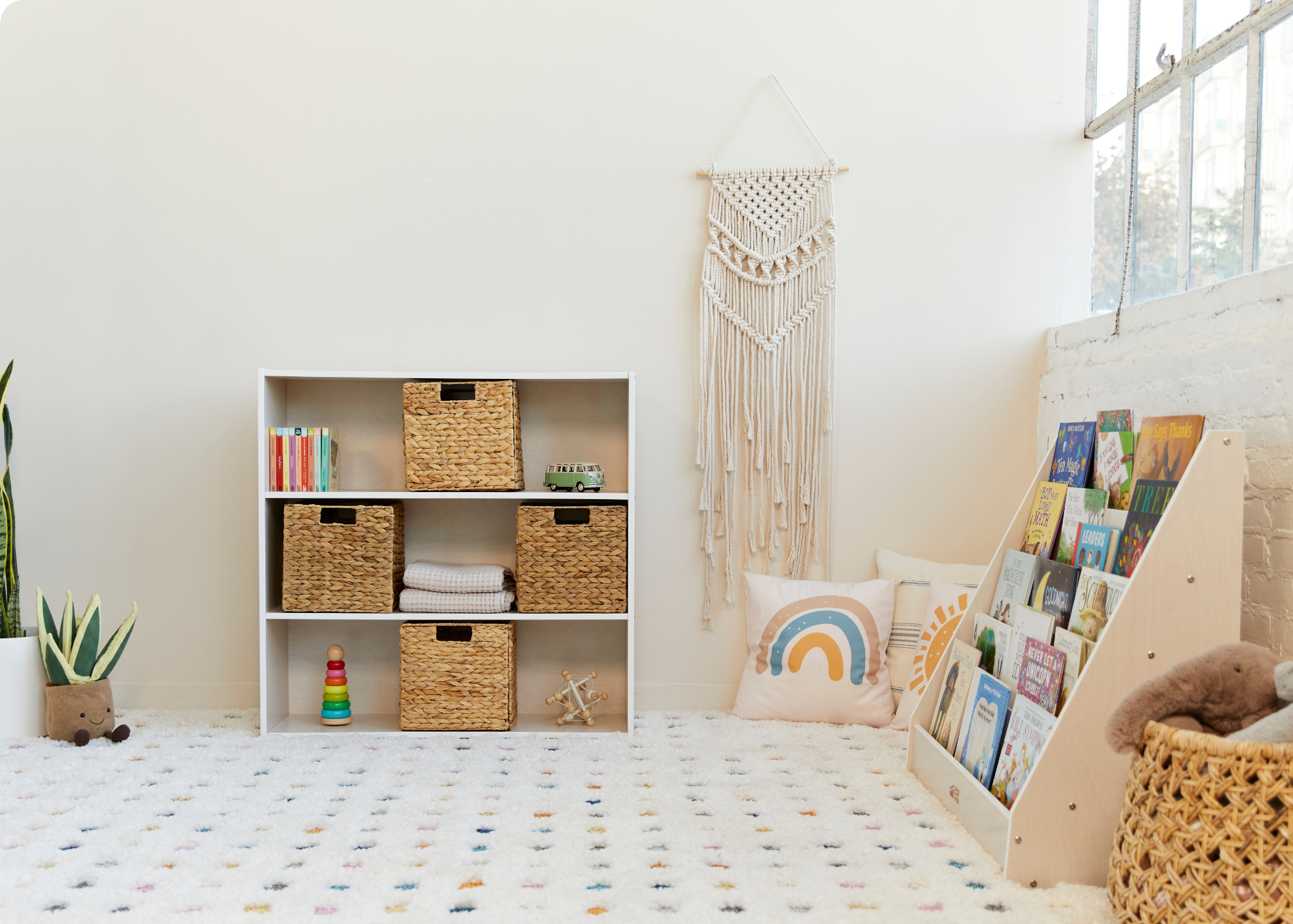
The start of a new year is a natural time to reset classroom routines and refresh learning environments. Small, intentional updates can help reduce clutter, support independence, and create calm, functional spaces where students feel ready to learn.
Here are eight practical ways to refresh your classroom in the new year.
1. Revisit Classroom Layouts
Take a fresh look at how your classroom is arranged. Adjusting furniture placement, even slightly, can improve traffic flow, support learning centers, and make transitions smoother throughout the day. Mobile storage and flexible shelving make it easier to adapt layouts as classroom needs change.

2. Declutter With Purpose
Mid-year clutter builds quickly. Remove broken materials, rotate out unused resources, and keep only what supports current learning goals. Open shelving units, such as low-profile bookcases, help keep materials visible and reduce overstuffed bins.
3. Refresh Storage Systems
Clear bins, open shelving, and labeled cubbies help students independently access and return materials. Storage solutions like our Scoop Front Storage Bins make cleanup easier while reinforcing daily routines and responsibility.

4. Create or Update Cozy Corners
Quiet, comfortable spaces give students a place to recharge, read, or regulate emotions. Adding soft seating, such as foam chairs or floor cushions, can quickly transform an unused corner into a welcoming calm-down or reading area.
5. Bring Learning Down to the Floor
Floor-based learning supports movement, collaboration, and hands-on exploration. Activity mats provide a comfortable surface for building, stretching, and group play, especially during winter months when outdoor time may be limited.

6. Refresh Visuals and Displays
Swap out bulletin boards and wall displays to reflect current lessons and seasonal themes. Keeping visuals updated helps reinforce learning while maintaining a clean, uncluttered look throughout the classroom.
7. Reset Entry and Transition Areas
Coat areas, cubbies, and high-traffic zones play a key role in daily routines. Coat lockers with built-in seating can help students independently manage personal items while keeping entry spaces organized.

8. Focus on Flexibility
Classrooms evolve throughout the year. Choosing durable, easy-to-move furniture allows spaces to shift with changing group sizes, activities, and learning styles, supporting flexibility all year long.
Refreshing your classroom does not have to happen all at once. Small updates can make a big difference and help create learning spaces that feel organized, supportive, and ready for whatever the new year brings.
Explore more classroom organization ideas, flexible furniture, and educator resources on the ECR4Kids blog.