 Skip to content

As both an educator and parent, I’ve learned that summer offers the freedom to explore new interests and incorporate learning into everyday experiences. Whether you are preparing a school classroom or creating a learning-friendly environment at home, the spaces we create can help kids pursue their interests and stay engaged in learning throughout the summer months.
Summer calls for a lighter and more flexible setup than the traditional school year. Consider creating activity centers that encourage choice and hands-on exploration.
Set Up Indoor Activity Stations
Indoors, simple activity stations can help children move between interests throughout the day. A STEM exploration table stocked with building materials, puzzles, and science tools encourages problem-solving. An art corner can inspire creativity with drawing supplies, paint, and crafting materials. A life skills station might include activities such as measuring ingredients or learning basic sewing skills.
Take Learning Outside
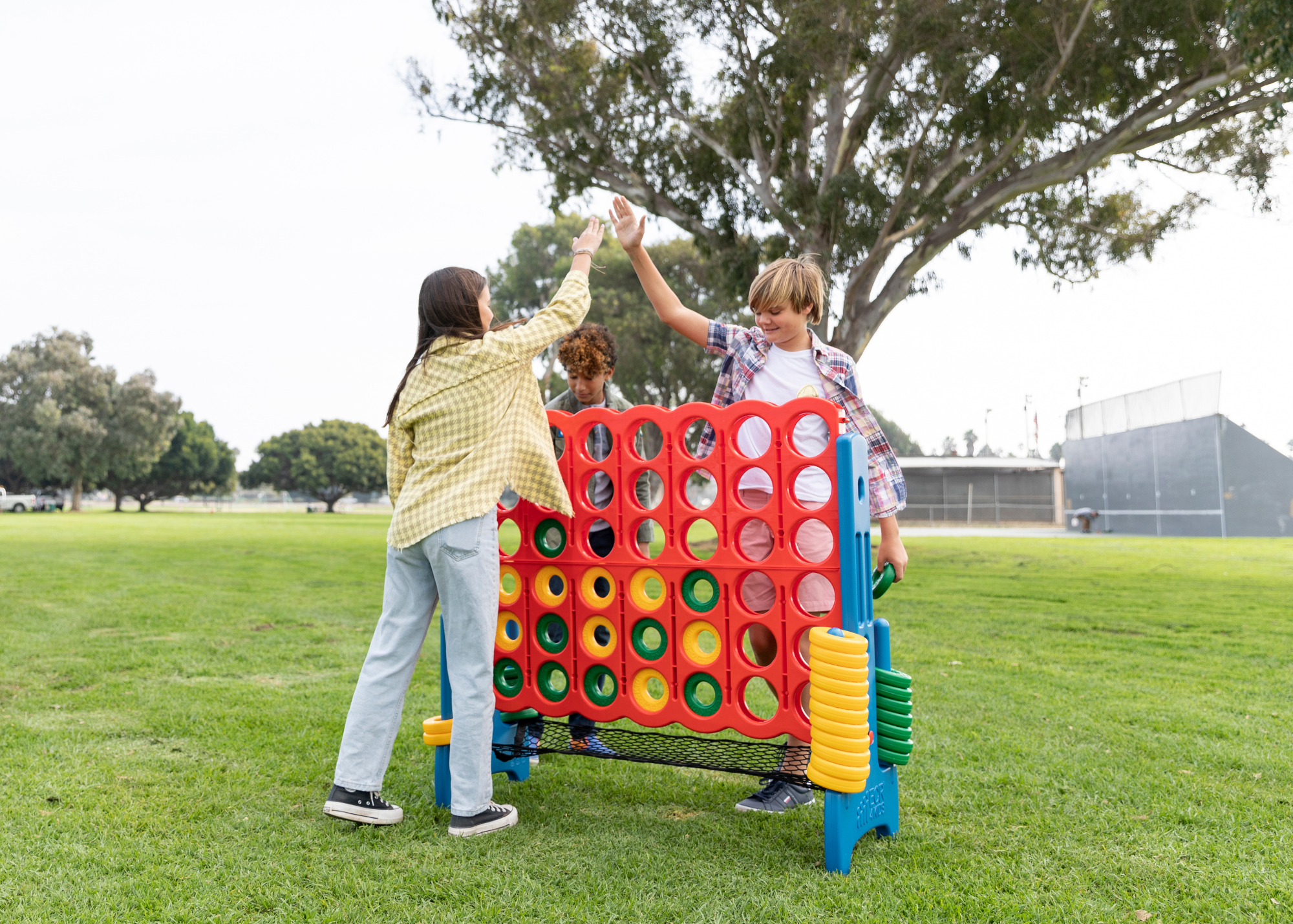
Outdoor spaces can become engaging classrooms in the summer. Mini tables for writing and drawing, gardening areas for science, easels for outdoor art, and play structures that support movement and problem-solving can transform backyards into rich learning environments.
Summer materials may differ from the school year. Portable seating, outdoor storage, building materials, and collaborative activities help support learning in a variety of settings. Make learning accessible and easy to incorporate into everyday routines.
Make a Simple Summer Plan
Before summer officially begins, make a simple plan together.
- Set summer goals.
- Create indoor and outdoor learning spaces.
- Gather books, games, and creative supplies.
- Plan local educational outings.
- Schedule volunteer opportunities.
- Establish a balanced daily routine.
- Include time for free play and exploration.
Balance Structure with Flexibility
One of summer’s greatest benefits is the ability to balance structure with flexibility. A healthy summer schedule includes a mix of indoor and outdoor activities, adaptable academics, movement, creative projects, social experiences, and appropriate screen time.
Summer is the perfect time for project-based learning because children have a little more time to dive into the topics that interest them. They might design a garden, start a small business, build a birdhouse, create a family cookbook, or research a favorite animal. These experiences naturally connect learning to real life.
A Sample Summer Learning Week
A sample summer week might look something like this:
- Monday: Math Focus - Count and roll coins, visit a local bank, and learn about opening a children’s savings account.
- Tuesday: Life Skills - Write down a family recipe, shop for ingredients, and cook together.
- Wednesday: STEM Activities - Design and build a tiny home model.
- Thursday: Movement - Create an obstacle course using play tunnels, slides, and outdoor equipment.
- Friday: Field Trip Day - Explore a museum, park, historical site, or community event.
Prepare Before the Bell Rings
By taking the time to prepare learning spaces before the last bell rings, families and educators can create environments that support curiosity, exploration, and growth all summer long.
