 Skip to content

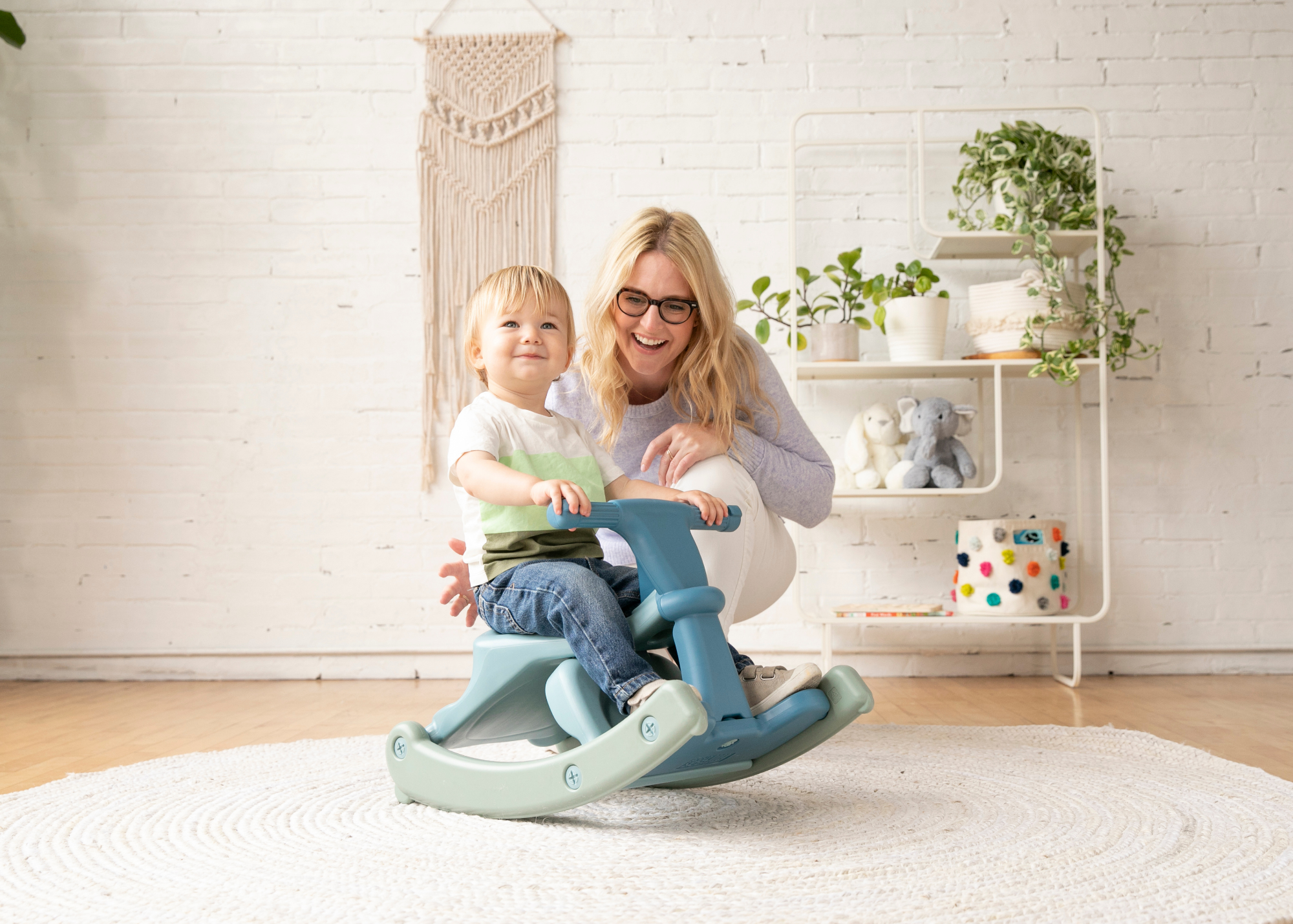
Summer learning spaces are often filled with movement, energy, and excitement. From active play to collaborative activities, classrooms, camps, daycare centers, and playrooms naturally become busier during the season. While energetic environments can inspire creativity and engagement, thoughtfully designed calm spaces help children recharge, focus, and feel supported throughout the day.
Creating moments of calm does not require an entirely separate room or large redesign. Small, intentional spaces like quiet corners, cozy reading nooks, and flexible seating clusters can help balance high-energy environments while supporting emotional well-being, creativity, and independent learning.
Create Quiet Corners for Calm Moments
Quiet corners provide children with a comfortable place to pause, reset, and recharge during busy days. Soft seating, calming colors, and simple boundaries can help create spaces that feel safe and relaxing without removing children from the larger learning environment.
Floor cushions, soft seating, and low bookshelves can help define calming spaces while still keeping the room open and flexible. Adding natural textures, greenery, or wood tones can make the area feel even more inviting and connected to the calmness of nature.
Design Cozy Reading Nooks
Reading nooks create opportunities for children to slow down and enjoy independent exploration. Front-facing book displays, comfortable seating, and accessible storage help encourage literacy while creating a peaceful retreat within active classrooms or playrooms.
Nature-inspired décor, soft rugs, and flexible seating arrangements can help transform even a small corner into a cozy literacy space children enjoy returning to throughout the day.
Use Small Group Seating to Reduce Overstimulation
Large open spaces can sometimes feel overwhelming during high-energy activities. Creating smaller seating clusters helps encourage collaboration while supporting focus and connection in more manageable group settings.
Flexible seating arrangements allow educators and caregivers to easily adapt spaces for partner work, quiet activities, group discussions, or independent learning. Lightweight seating and modular furniture also make it easy to refresh layouts throughout the summer season.
Bring Nature-Inspired Elements Indoors
Nature-inspired spaces can help create a calming atmosphere while keeping environments bright and playful for summer. Incorporating natural wood tones, soft greens, plant-inspired décor, and organic textures can make learning spaces feel more grounded and welcoming.
- Soft neutral and green color palettes
- Wood furniture and natural textures
- Tree-inspired décor and calming artwork
- Flexible seating with cozy textures
- Open spaces with defined learning zones
These small details can help support emotional regulation while encouraging creativity and exploration throughout the day.
Create Balance Through Thoughtful Design
High-energy summer spaces can still feel calm, supportive, and organized with a few intentional design choices. Quiet corners, reading nooks, flexible seating, and nature-inspired elements help create environments where children can play, learn, collaborate, and recharge comfortably.
Whether in a classroom, daycare, summer camp, or home learning space, thoughtfully designed environments help support meaningful moments of creativity, connection, and everyday learning all season long.