 Skip to content

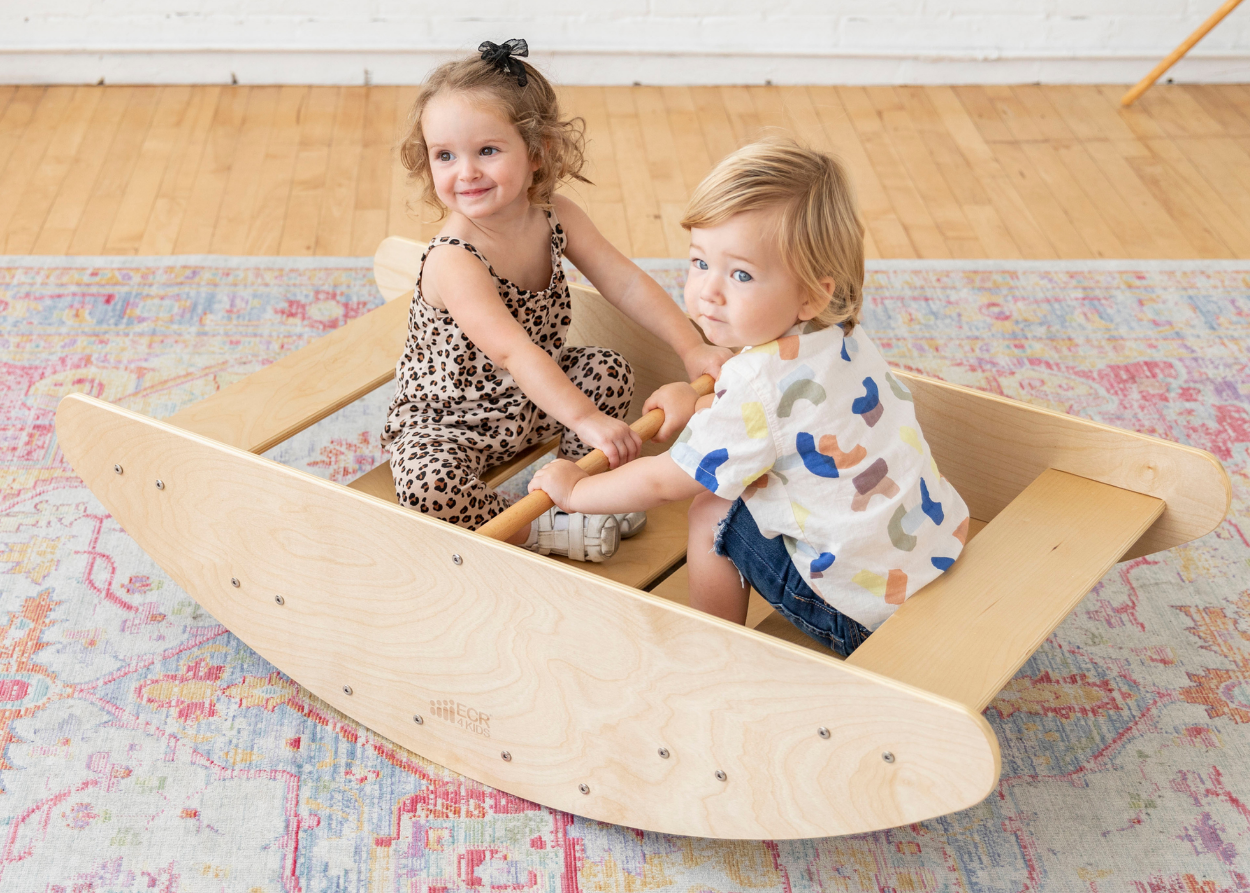
Summer offers a wonderful opportunity to slow down and create meaningful experiences beyond screens. By designing a screen-free summer space at home, families can encourage independence and creativity while reducing the pressure on adults to constantly provide entertainment.
Create an Outdoor Space That Invites Play
Build an outdoor play area that naturally draws children outside. Open-ended outdoor toys like balance boards, Climb-N-Crawl sets, and activity play sets such as the Activity Park Toddler Playset encourage active play and help kids stay engaged through self-directed adventures.
Adding child-friendly storage solutions also makes it easy for kids to access their toys and clean up independently, helping outdoor play feel simple, organized, and inviting.
Add Structure with a Summer Routine Checklist
Inside, establish a simple framework that provides structure without making summer feel overly scheduled. A summer routine checklist can help set expectations while empowering kids to manage their own day.
Include reminders for self-care, outdoor play, reading time, chores, and personal goals. Visual checklists are especially helpful for younger kids as they build confidence and independence.
Keep Ideas Fresh with a Choice Jar
To keep boredom at bay, create a "Choice Jar" filled with simple activity prompts. Kids can choose an idea whenever they need inspiration.
Suggestions might include building a fort, baking bread, writing a postcard, creating a craft, or playing an outdoor game like Jumbo 4-To-Score. This gives children a sense of choice while encouraging creativity and hands-on play.
Encourage Independence with Snack Bins
Healthy snack bins are another strategy that promotes independence. Organize grab-and-go snacks in clearly labeled containers within easy reach so children can make choices throughout the day.
This setup helps build responsibility while giving caregivers one less task to manage during busy summer days.
Document Summer Memories
Consider creating a "Summer Quest Passport" to document adventures and special memories. Children can collect stamps, stickers, drawings, or notes to record their experiences.
Whether it's visiting a local park, finishing a book, helping in the garden, or taking a special trip, each experience becomes part of their unique summer story.
Use Music to Set the Mood
Music can also play a powerful role in shaping the atmosphere of a screen-free space. Create family playlists for outdoor play, quiet reading, cleanup time, or dance breaks.
Music encourages movement, sets the mood, and can help fill the space that television and screen time often occupy.
Design Spaces for Connection
Most importantly, design opportunities for connection. Set aside simple moments for family games, outdoor picnics, storytelling, or creative projects.
Flexible furniture like child-sized tables and seating can help create welcoming spaces where children naturally gather to play, learn, and connect. By providing children with the tools, freedom, and environment to explore, families can create a summer filled with meaningful experiences and less screen time.
