 Skip to content

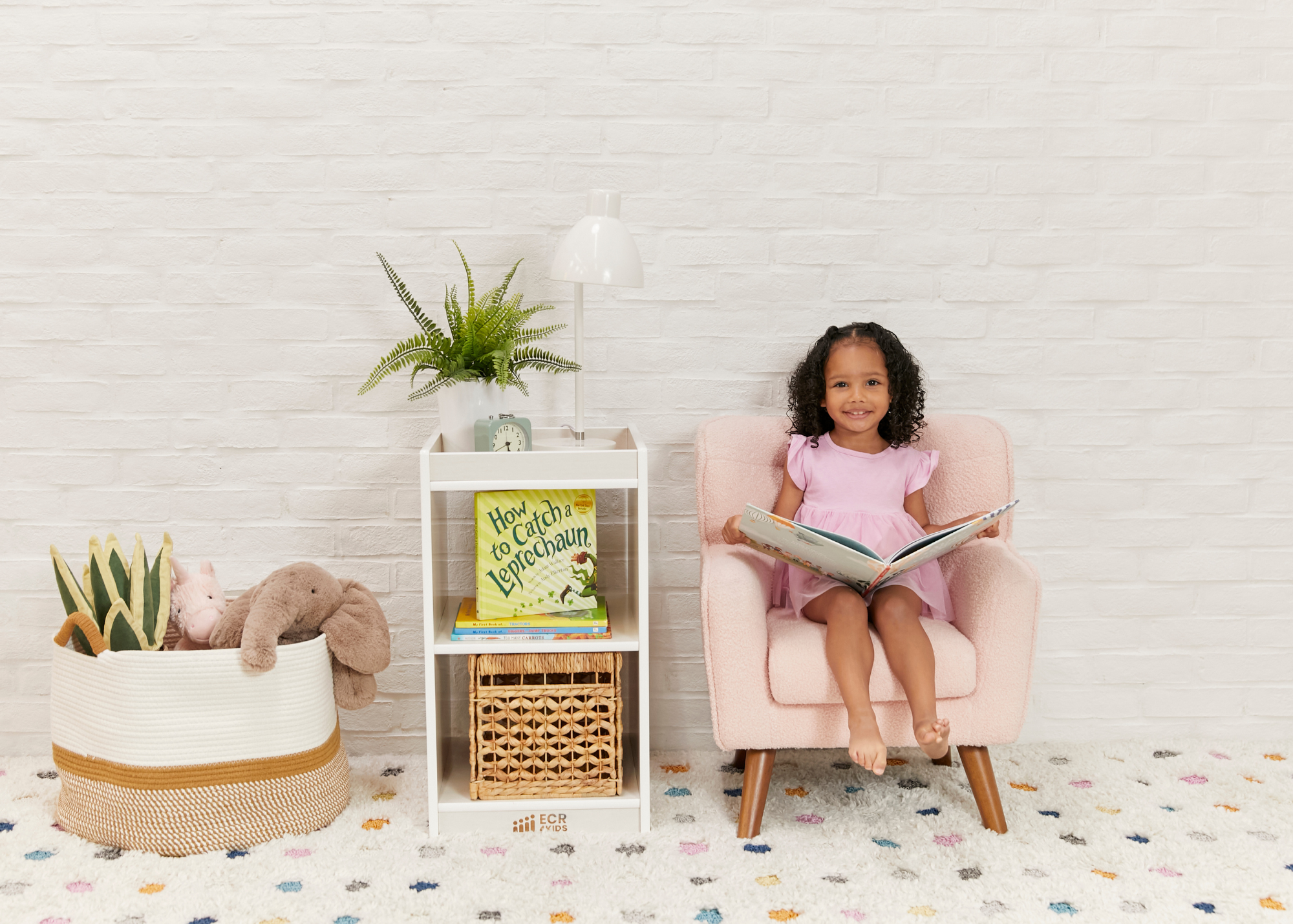
Winter has a way of changing our routines. Recess is moved indoors, rainy day schedules take over, and students are full of stories about time spent with family and friends. This is exactly the season when cozy corners become essential.
A well-designed cozy corner supports children with emotional regulation. It’s most effective to introduce when everyone is feeling calm, so that the strategies practiced are easier to access when big emotions arise. Learning to regulate while already dysregulated is challenging. Kids develop coping skills by watching the adults around them, making modeling another important component of the cozy corner.
Choose a predictable, quiet location. Gather cozy items: pillows, rugs, fidgets, weighted stuffed animals or lap pads. Families are often willing to donate gently used items, and surely a few well-loved items from teachers’ homes have made it into the corners. Sensory bins, a sequin wall, or sensory boards give hands something to do while the mind is occupied.
Practice before it’s needed. Before anyone ever uses the space, practice visiting the cozy corner. Role play common scenarios and situations. Read, and reread, stories where the characters are feeling overwhelmed and need support. Storytelling plants the seeds of solutions that kids don’t yet have the life experience to come to on their own.
Set clear ground rules together. The cozy corner is never a punishment place. Talk about whether you’d like kids to ask to visit or if they can choose to go independently and set expectations before they start. Use a timer to keep visits moving.
Teach kids to name what they feel. A helpful regulation tool is teaching kids to name what’s happening in their bodies: “My face feels hot.” “I am shaky inside.” These physical clues can help you understand how kids are reacting to emotions. Give them the words to express what could be causing outbursts, tuning out, or the need to isolate.
Learn more about the power of co-regulation for young children on the blog.
Use movement to help the nervous system settle. Include opportunities for safe movement in the cozy corner. Adding a foam mat or floor cushions gives kids the option to stretch and move without disrupting others. Teach proprioceptive input strategies like squeezing their own elbows and knees, or pressing hands into the mat, which can help the body get back to neutral. These movements send calming signals to the brain and remind students of where their bodies are in space.
Cozy corners give children the opportunity to learn about themselves and how to care for their bodies during uncomfortable moments. They send the message that it’s okay to need support while figuring out what helps them feel steady again. Cozy corners normalize the idea that kids don’t have to push through hard moments alone, a lesson that will stay with them long after winter ends.
As the new year unfolds, find more easy, impactful ways to reset your classroom with our blog 8 Ways to Refresh Your Classroom in the New Year.
