 Skip to content

Today’s families and classrooms are embracing flexible, multifunctional environments that flow effortlessly from indoors to outdoors. Modern spaces need to adapt, evolve, and grow alongside children, encouraging creativity and independence in everyday play. One of the most effective ways to support this is by designing spaces that transition from indoor comfort to outdoor exploration.
Children thrive in places where play feels open-ended and flexible. The best environments inspire movement, curiosity, and self-directed discovery. Often, simplicity creates the biggest impact. A few thoughtfully chosen pieces can completely transform how children engage with a space.
Start with Lightweight, Flexible Furniture
Lightweight outdoor furniture is one of the easiest places to begin. Kid-sized mini picnic tables, stackable stools, folding benches, and portable sensory tables can move easily between a patio, classroom corner, or playroom.
Flexible furniture allows adults and children to quickly create reading nooks, art stations, or collaborative play areas depending on the day’s needs. Children may carry stools outside to continue a drawing project or read in the sunshine, helping them take ownership of their environment as they safely rearrange and adapt spaces independently.
Make Sensory Play Easy to Move
Sensory play especially benefits from indoor to outdoor flexibility. A sensory table filled with water or sand outside can later become an indoor exploration station with colorful rice, pom-poms, or scooping tools.
Easels are another versatile addition. Use chalk and watercolor paints outdoors, while markers, paper, and art supplies can transition indoors when the weather keeps play inside.
Create Cozy Spaces Anywhere
Soft furnishings help create cozy, adaptable spaces throughout the day. Soft cubes, floor cushions, and interlocking play mats can turn an empty corner into a reading nook, calm space, or active building area.
Indoors or outdoors, children naturally gravitate toward spaces that feel inviting, comfortable, and fresh each day.
Encourage Active, Open-Ended Play
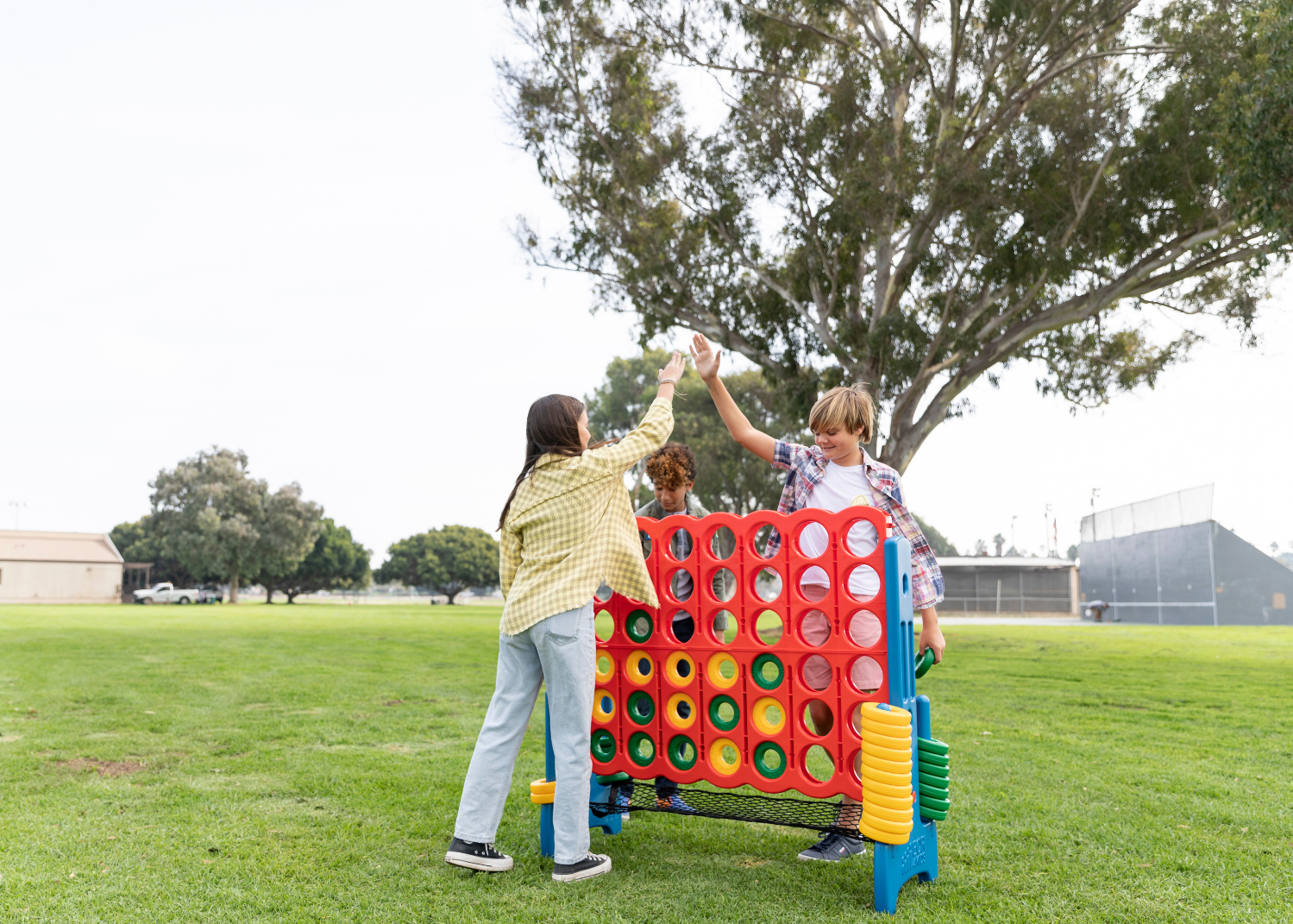
When planning layouts, think beyond traditional toy storage. Climb-and-crawl tunnels, indoor-outdoor tents, obstacle course pieces, jumbo game sets, and compact playhouses encourage active play while remaining easy to move and rearrange.
Lightweight slides and kid-friendly furniture can help define shared spaces without requiring a permanent setup.
Balance Connection and Quiet Moments
Another important design principle for children is creating spaces that support both connection and retreat. Shared play areas encourage learning, creativity, and social development, while quiet spaces give children a place to reset.
Small tents, quiet hideouts, or cozy reading spots can offer a sense of comfort and calm throughout the day.
Design Spaces That Grow with Kids
The most successful play spaces blend style and practicality. They evolve with children, support imagination, and make everyday play feel meaningful whether it happens indoors or out.
