 Skip to content

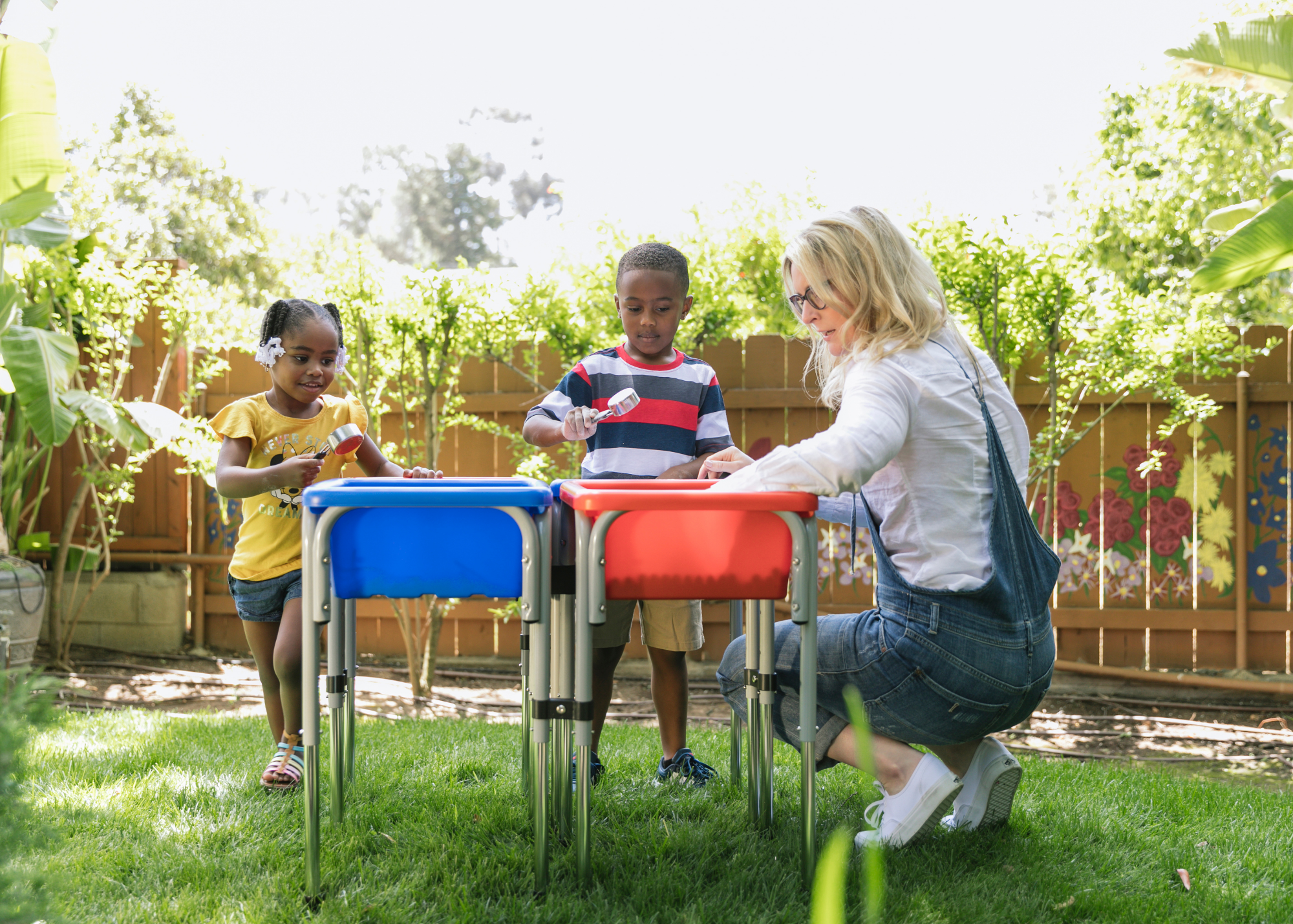
Summer is the perfect season for hands-on exploration. With warmer weather, longer days, and more opportunities for outdoor play, children can splash, scoop, pour, mix, paint, and create in ways that spark curiosity and joy.
As educators and caregivers know, messy play is more than just fun. Sensory activities, water play, and creative summer crafts help little learners build fine motor skills, practice problem-solving, explore early science concepts, and express themselves through open-ended play.
Whether you're planning preschool summer activities, setting up sensory bins at home, or looking for outdoor learning ideas, these creative summer crafts and messy play activities are designed to keep kids engaged, active, and learning all season long.
Why Messy Play Matters
Messy play gives children the freedom to explore materials using their senses. When kids pour water, dig in sand, mix colors, squeeze paint, or sort natural objects, they are building important developmental skills through play.
Sensory play can support:
- Fine motor development
- Hand-eye coordination
- Creativity and imagination
- Language development
- Problem-solving skills
- Early STEM learning
- Social-emotional growth
The best part? Messy play does not need to be complicated. A few simple materials and a dedicated activity space can create endless opportunities for summer learning.
1. Create a Summer Sensory Bin
Sensory bins are an easy way to encourage hands-on exploration. Fill a bin with summer-inspired materials like kinetic sand, dry rice, seashells, pom-poms, scoops, measuring cups, toy animals, or colorful craft supplies.
Invite children to scoop, pour, sort, count, and describe what they feel. These simple actions help support fine motor skills, early math concepts, vocabulary development, and independent play.
Activity idea: Create an ocean-themed sensory bin with blue rice, shells, toy sea creatures, and small cups for scooping and pouring.
2. Set Up a Sand and Water Exploration Station
Sand and water play is a summer favorite for a reason. Children naturally love to scoop, splash, dig, pour, and experiment with different textures. A dedicated sand and water table gives little learners a contained space to explore while keeping materials organized and accessible.
With an ECR4Kids sand and water table, children can investigate floating and sinking, practice measuring and pouring, build imaginative small-world scenes, and enjoy collaborative sensory play indoors or outdoors.
Try adding:
- Measuring cups and spoons
- Funnels
- Small buckets
- Plastic sea animals
- Shells or smooth stones
- Water-safe toys
Learning connection: Sand and water table activities introduce early STEM concepts like volume, weight, cause and effect, texture, and prediction through playful discovery.
3. Make Nature Paintbrushes
Take a walk outside and collect leaves, flowers, pine needles, grass, and small twigs. Attach the natural materials to craft sticks or use them as-is to create unique paintbrushes.
Children can dip their nature brushes into washable paint and experiment with different lines, textures, and patterns on paper.
Educator tip: Ask questions like, "Which brush makes the widest mark?" or "What texture does this leaf create?" to encourage observation and comparison.
4. Try a Frozen Treasure Rescue
Freeze small toys, shells, or plastic animals in a container of water overnight. The next day, invite children to rescue the frozen treasures using warm water, droppers, spoons, or child-safe tools.
This summer STEM activity encourages patience, problem-solving, and scientific thinking as children observe how ice melts.
Safety note: Always supervise young children closely and choose objects that are age-appropriate.
5. Mix Up DIY Sidewalk Paint
Sidewalk paint is a fun outdoor craft that lets children create big, colorful artwork without worrying about the mess. Mix equal parts cornstarch and water, then add a few drops of food coloring. Use paintbrushes or sponge brushes to decorate sidewalks or driveways.
Activity idea: Encourage kids to paint shapes, letters, numbers, hopscotch paths, or summer scenes.
6. Create an Ocean Water Play Bin
Bring the beach to your backyard or classroom with a simple ocean water play setup. Fill a bin or water table with water, blue food coloring if desired, shells, toy fish, cups, funnels, and scoops.
Children can pretend to be ocean explorers, sort sea creatures, pour water through funnels, or create stories with the materials.
Learning connection: Ocean sensory play supports imaginative play, language development, fine motor skills, and early science exploration.
7. Build a Mud Kitchen
A mud kitchen invites children to mix, stir, scoop, and pretend. Set up an outdoor area with dirt, water, bowls, spoons, old pots, sticks, flowers, and leaves. Children can create mud pies, nature soup, or pretend garden recipes.
Mud play is wonderfully open-ended and encourages creativity, social skills, sensory exploration, and dramatic play.
Cleanup tip: Keep towels, wipes, or a rinse station nearby so kids can clean up easily after play.
8. Make Bubble Art Creations
Bubble art combines science and creativity. Mix washable paint with bubble solution, then let children blow bubbles onto paper using a straw or bubble wand. As the bubbles pop, they leave colorful patterns behind.
Safety note: For younger children, use bubble wands instead of straws to avoid accidental sipping.
Learning connection: This activity introduces cause and effect, color mixing, and creative expression.
9. Set Up a Color Mixing Water Lab
Turn water play into a simple science experiment with clear cups, water, food coloring, droppers, and small pitchers. Children can mix colors, make predictions, and observe how new colors are created.
This activity works especially well at a sensory table or sand and water table because children have room to pour, transfer, and experiment.
Prompt to try: "What do you think will happen if we mix blue and yellow?"
10. Create a Summer Discovery Table
Set up a discovery table with natural materials like rocks, shells, pinecones, flowers, leaves, sticks, and magnifying glasses. Invite children to touch, sort, compare, count, and describe what they notice.
Discovery tables encourage curiosity and help children practice observation, classification, vocabulary, and early science skills.
Activity idea: Ask children to sort objects by color, size, texture, or shape.
Tips for Managing Messy Play
Messy play is easier to enjoy when the setup is simple and cleanup is manageable. A little preparation can help children explore freely while keeping the space organized.
- Take it outside: Outdoor spaces make water play, painting, and sensory activities easier to manage.
- Use washable materials: Choose washable paint, child-safe supplies, and easy-to-clean tools.
- Create a dedicated play zone: Sensory bins, activity trays, and sand and water tables help contain materials.
- Dress for mess: Smocks, old clothes, or swimsuits make cleanup easier.
- Keep cleanup supplies nearby: Towels, wipes, bins, and rinse buckets can make transitions smoother.
Learning Through Sensory Play
Creative summer crafts, sensory bins, and water play activities give children meaningful ways to explore the world around them. As they scoop, pour, mix, paint, dig, and create, they are developing skills that support learning across every area of development.
For little learners, messy play builds confidence, creativity, independence, and curiosity. It also encourages children to ask questions, test ideas, and discover how materials work.
Embrace the Mess This Summer
This summer, do not be afraid to embrace a little mess. Some of the most meaningful learning happens when children are free to splash, scoop, pour, create, and explore.
With simple materials, outdoor space, and supportive tools like sensory bins and sand and water tables, families and educators can create playful learning experiences that children will remember long after summer ends.