 Skip to content

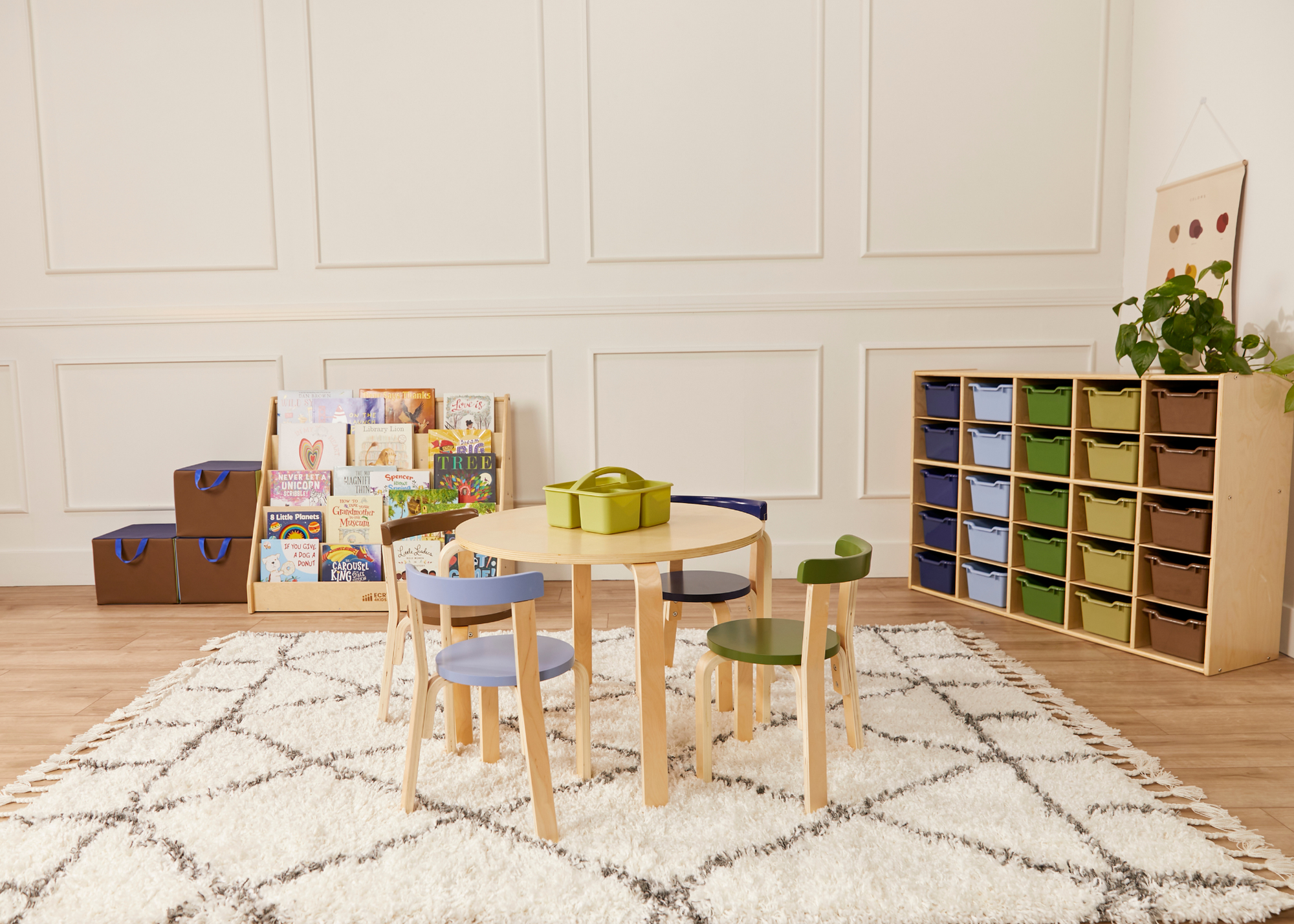
The first day of spring brings a sense of renewal to learning spaces. Longer days, brighter light, and fresh energy make this season a natural time to reset routines and encourage growing independence in young learners. With a few intentional updates, classrooms and play spaces can support children as they take on more responsibility in their daily routines.
Here are 7 spring-ready routines and environment ideas that help encourage independence while keeping spaces organized, calm, and inviting.
- Use child-height storage to promote ownership. When materials are stored at a child’s eye level, children are more likely to access, use, and return items independently. Low shelves, open cubbies, and labeled bins make it easy for learners to find what they need without adult assistance. This simple shift builds confidence and supports responsibility throughout the day.

- Create self-serve stations for daily routines. Spring is a great time to refresh self-serve areas for handwashing, art supplies, snacks, or learning materials. Clearly defined stations with visual labels help children manage routines on their own, reducing wait times and supporting smoother transitions.

- Design environments that guide behavior. Thoughtful environment design encourages independence without constant reminders. Define spaces with furniture placement, rugs, or shelving to show how areas are used. Clear pathways, designated work zones, and uncluttered surfaces help children move through the room with confidence.
- Rotate materials to support choice and focus. Rather than offering everything at once, rotating materials seasonally helps keep interest high and overwhelm low. A smaller selection allows children to make purposeful choices, care for materials, and stay engaged in activities.

- Encourage clean-up routines that feel achievable. Independence grows when expectations are clear and realistic. Picture labels, color-coded bins, or simple cleanup cues help children understand where materials belong. When cleanup feels manageable, children are more willing to participate.
- Support independence through flexible seating. Spring learning often brings renewed movement and curiosity. Child-sized tables, stools, and seating options allow children to choose where and how they work while maintaining structure. Flexible seating supports independence while keeping routines consistent.

- Celebrate small moments of independence. Spring growth is about noticing progress. When children try something new, solve a problem independently, or take responsibility for their space, those moments matter. Celebrating small wins helps build confidence and encourages continued growth.
As the season changes, spring offers a meaningful opportunity to refresh learning environments and support children as they take the lead in their daily routines. With intentional design and simple updates, independence can grow naturally alongside the season.
As independence grows, so does the need for emotional support. Read more about the role of co-regulation in helping young children manage big feelings in this blog.