 Skip to content

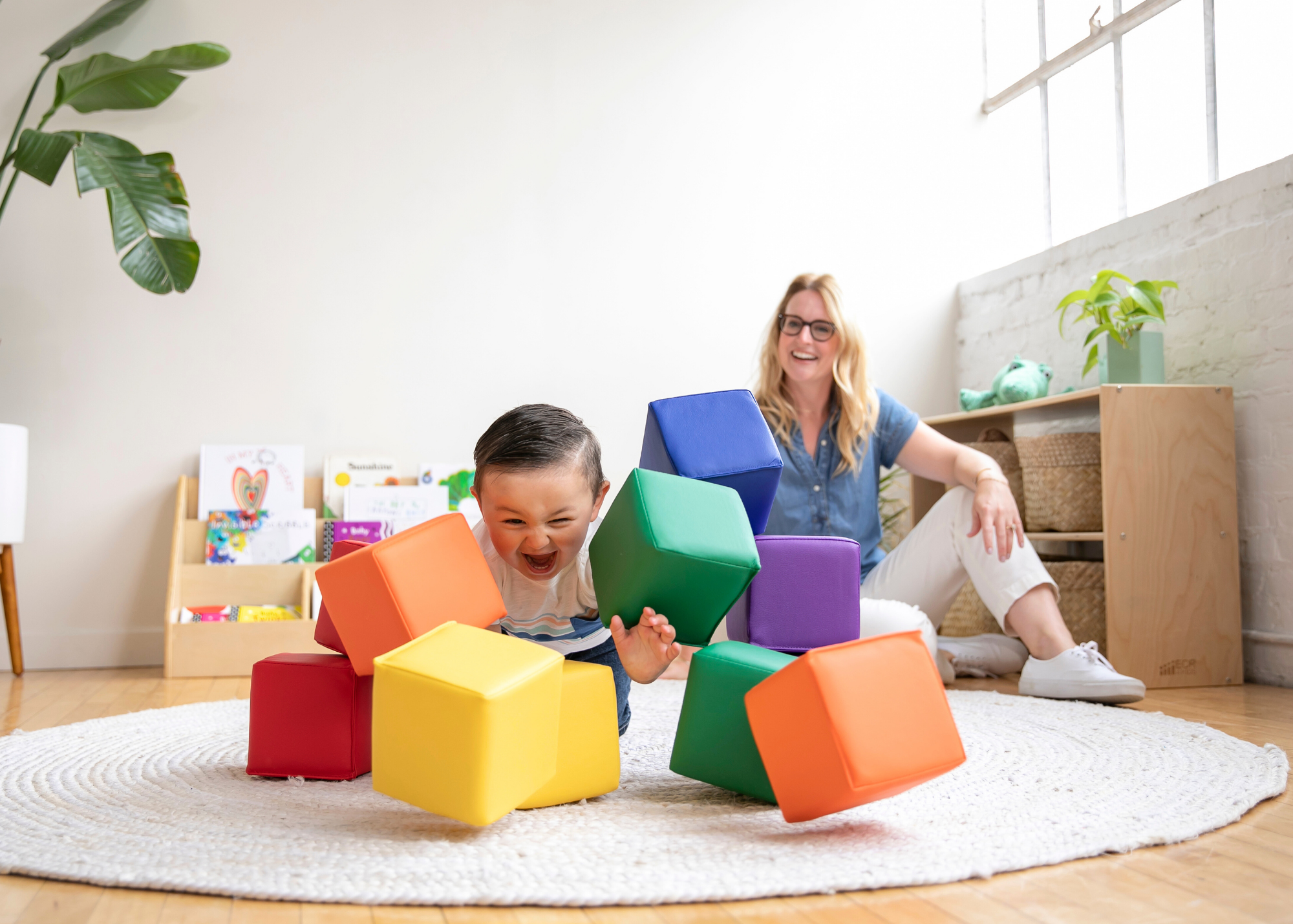
Color plays a powerful role in how children experience their learning environment. Beyond aesthetics, color can influence mood, behavior, focus, and engagement—making it an important design choice in early learning spaces.
At ECR4Kids, our colorways are intentionally designed to support childhood development, daily routines, and the emotional needs of young learners. Each palette reflects thoughtful choices rooted in color psychology, child development, and real classroom use.
Here’s how intentional color choices can support learning, and how our Earthtone, Assorted, and Contemporary colorways bring those benefits to life.
Why Color Matters in Early Childhood Spaces
Early childhood educators and caregivers understand that development goes beyond age-based milestones. Child development refers to how children build increasingly complex skills across multiple domains, including gross motor, fine motor, language, cognitive, and social development.
The environments and products children interact with every day should support these areas of development, helping children move, explore, communicate, think, and connect.

Earthtone Colorway: Calm, Grounded, and Connected
The Earthtone colorway is inspired by nature and features soft greens, warm browns, muted blues, and neutral shades. These colors are commonly associated with calm, balance, and emotional regulation.
Earthy tones help create a peaceful learning environment that supports focus and reduces overstimulation. Greens are often linked to growth and freshness, while browns and neutrals provide a sense of stability—making this colorway ideal for quiet play, reading areas, and spaces designed for emotional balance.

Assorted Colorway: Energy, Creativity, and Active Play
The Assorted colorway features bold, high-contrast colors designed to spark imagination and encourage movement. Bright reds, blues, yellows, and greens immediately capture attention and invite exploration.
Vibrant colors are often associated with creativity, excitement, and engagement. Reds and oranges can energize play, while blues and greens help balance that energy. This colorway works especially well in gross motor areas, collaborative play zones, and spaces where creativity and movement take center stage.

Contemporary Colorway: Clean, Modern, and Versatile
The Contemporary colorway blends soft neutrals with refined pops of color, offering a clean, modern aesthetic that complements a wide range of learning environments.
This palette helps reduce visual clutter while still providing visual interest, supporting focus and flexibility. Contemporary colors are well suited for shared classrooms, multipurpose spaces, and environments designed to grow with children over time.

Designing Learning Spaces with Intention
Every color or group of colors can evoke emotion, influence behavior, and create associations. When color choices align with developmental goals, they help create learning spaces that feel welcoming, purposeful, and supportive.
Explore our full collection to see how intentional color choices can help shape learning environments that truly work for children.