 Skip to content

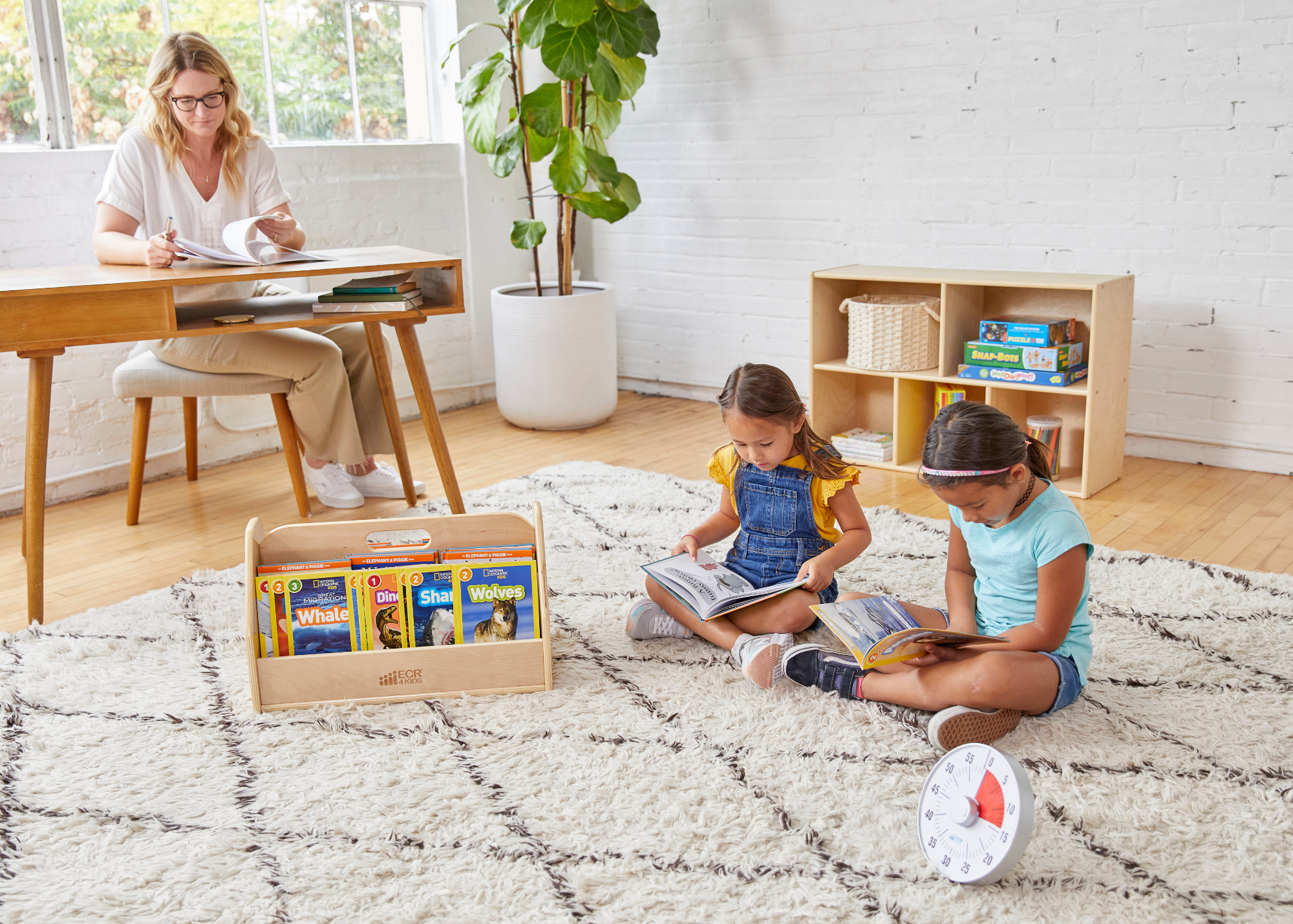
As we move into spring, it’s the perfect time for educators, teachers, and parents to think about resetting learning spaces. Spring cleaning in small manageable steps and adding onto existing routines can create a noticeable transformation over time.
Here are simple classroom reset ideas that make a big impact over time.
- Start with a Weekly Focus Area. Instead of tackling everything at once, choose one space per week: activity centers, teacher’s desk, bookshelves, toy bins, or storage cabinets. Create an ordered plan based on the biggest need. One week might focus on decluttering centers, the next on disinfecting and wiping down shelves, and another on reorganizing supplies. Steady attention keeps the process sustainable.
- Set Aside a Consistent Daily Tidy-Up Time. Even 5–10 minutes at the end of the day can make a difference. Build it into your routine just like lining up or packing backpacks. Use music, a timer, or a “beat the clock” challenge to make it fun. Consistent small choices will become noticeable over time.
- Involve Students in Meaningful Ways. Ask kids: “What’s working? What’s not? How can we simplify clean up routines?” Student input builds ownership. Consider creating a simple checklist together for each area. Picture labels on shelves, bins, and drawers help younger students, and even adults, return items to the right place. Once a space is clean and organized, take photos and post them in the area so student workers can reference how it should look.
- Create a Job Chart with Pictures. Assign rotating responsibilities like shelf straightener, paper recycler, and supply checker. Encourage initiative and praise helpers publicly. Offer fun incentives that boost motivation. Allow students to help choose new organizational items, rotate classroom materials, or earn a special privilege when goals are met. Post a picture checklist so that kids can follow clean up steps like: books on shelf, toys in baskets, and stuffed animals in tubs.
- Be Intentional About Physical Clutter. Visible clutter can make it harder to focus. Sort left behind items from other teachers, create donation piles, and recycle or let students use extra copies for scrap paper. Think about storage systems that truly serve your classroom: labeled toolboxes, task boxes, sturdy shelving, or stackable bins. If something doesn’t have a home, decide whether it needs one or if it needs to find a second life in new space.
- Treat Students to a Mini Classroom Makeover Reveal. Once you’ve reset a space, treat students to a mini “classroom makeover reveal.” Rearrange a corner, add a fresh display, or introduce a newly organized reading nook. Then set up simple procedures for areas that tend to get messy. Clear expectations, visual supports, and shared responsibility will help the space stay clean. Spring cleaning creates calm, functional environments where both adults and children can thrive.
For more ideas on creating thoughtful learning environments, read our blog on designing learning spaces with intention.
